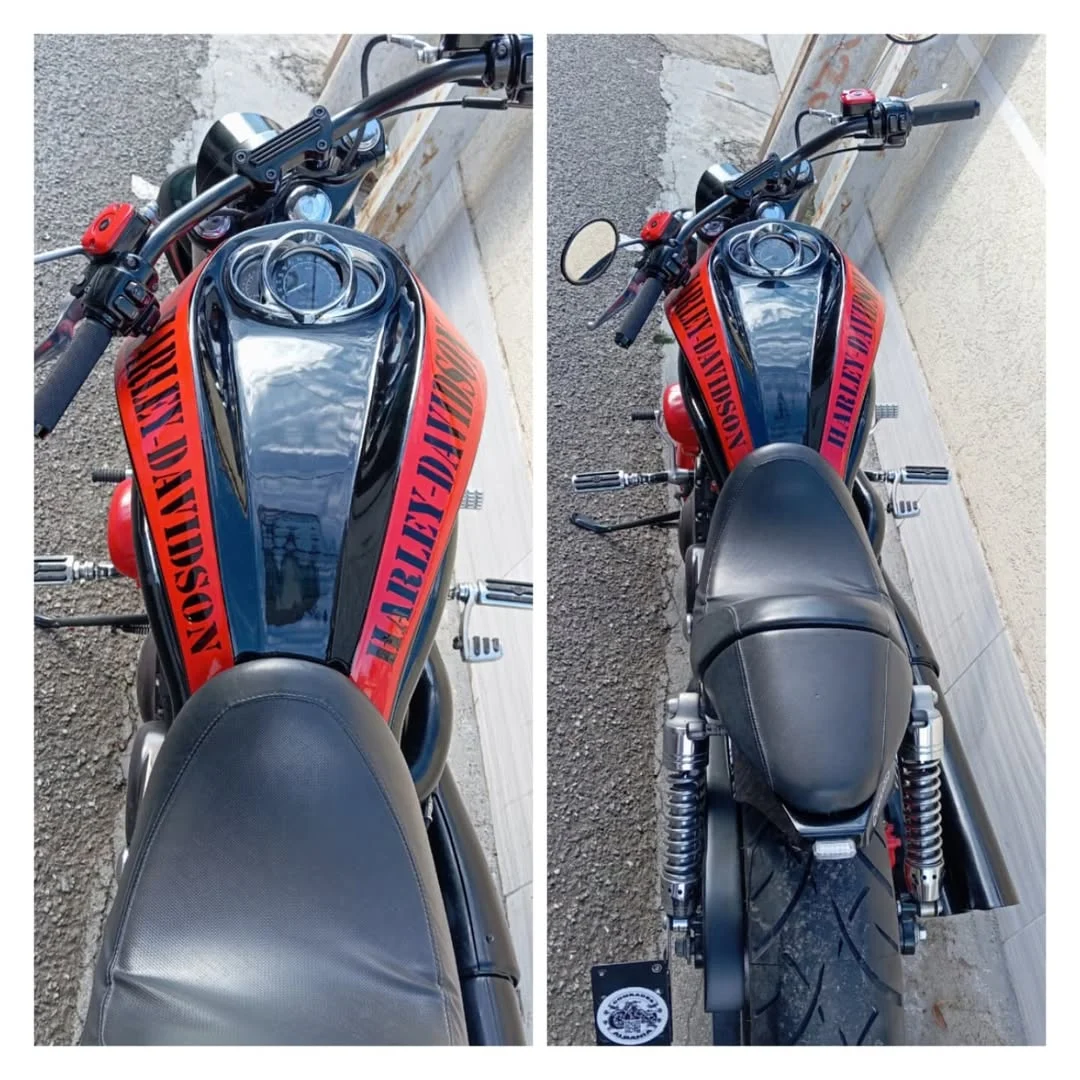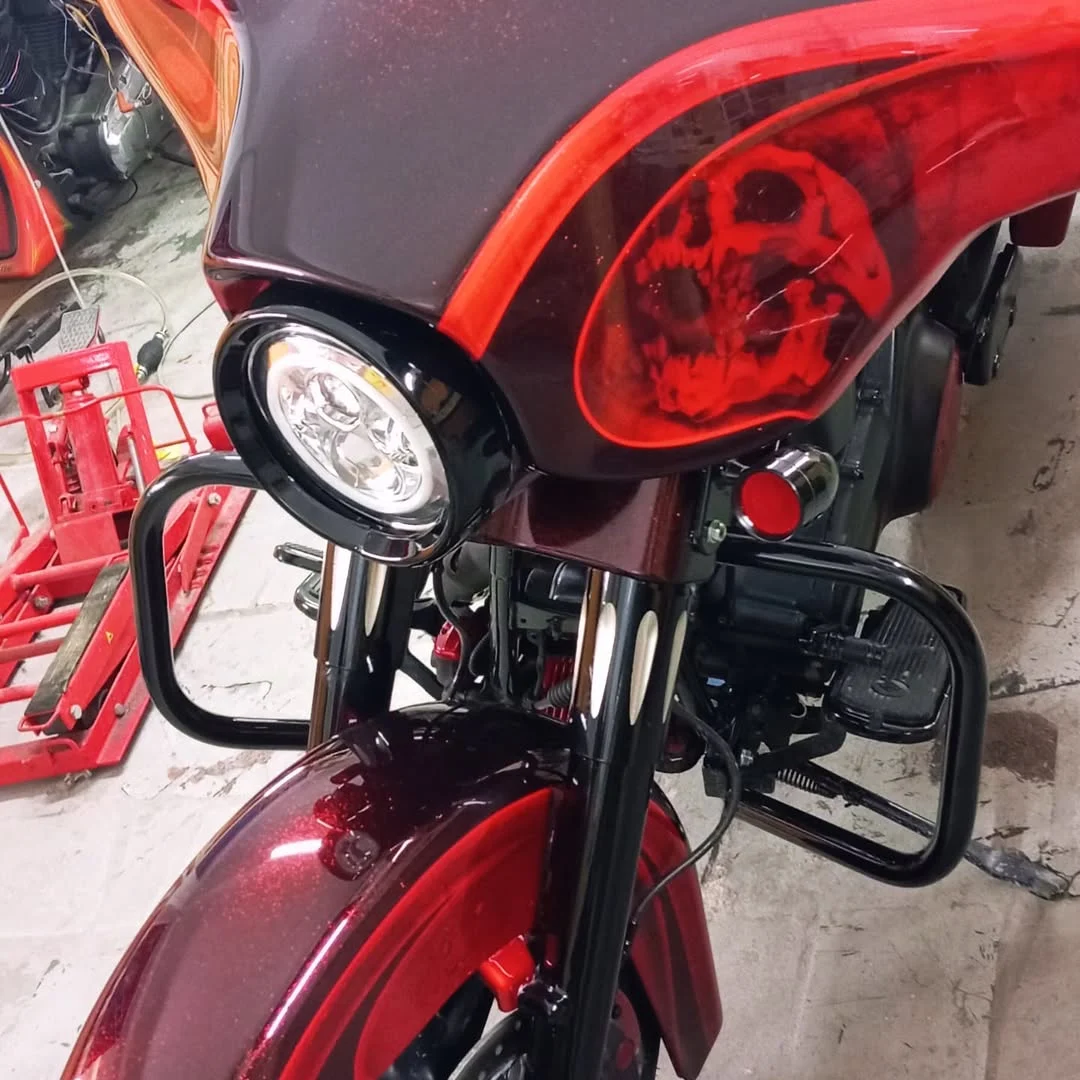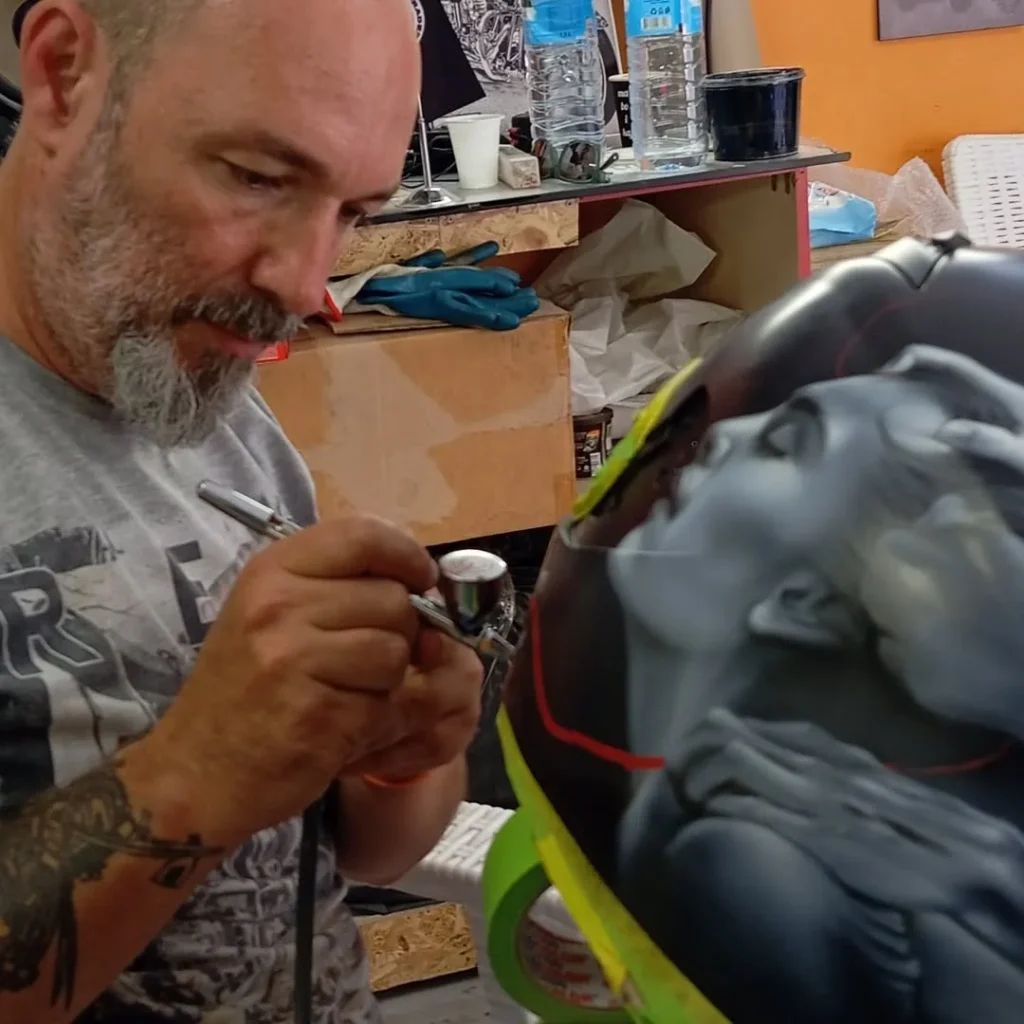
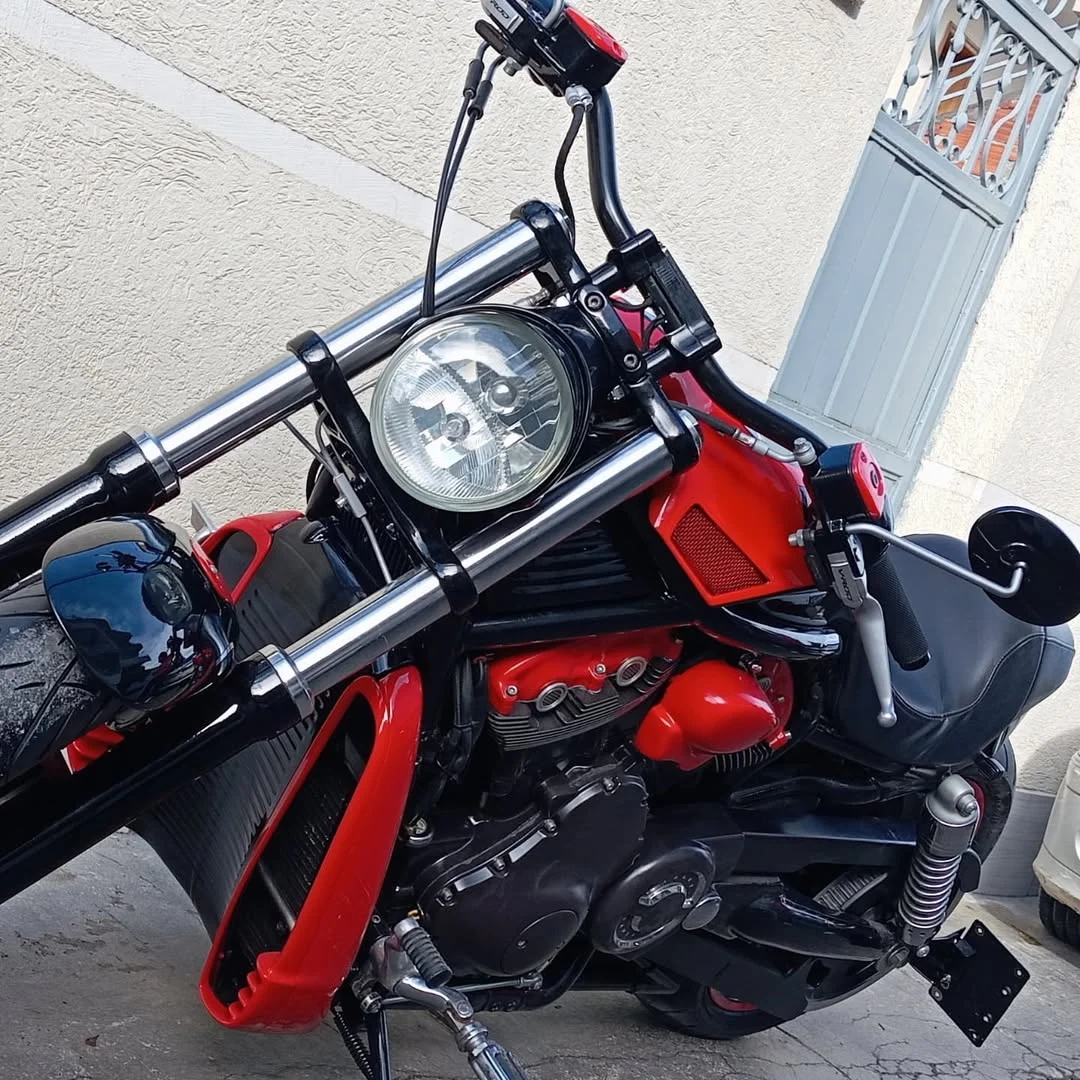
If you’re thinking about customizing a motorcycle, helmet, or jacket, you’ve likely asked yourself: Should I go with airbrush or spray paint? While both methods apply color to a surface, that’s where the similarities end. In this post, I’ll break down the key differences between airbrush and spray paint, and explain why airbrush is the tool of choice for detailed, high-impact custom artwork.
1. Precision & Detail
Airbrush:
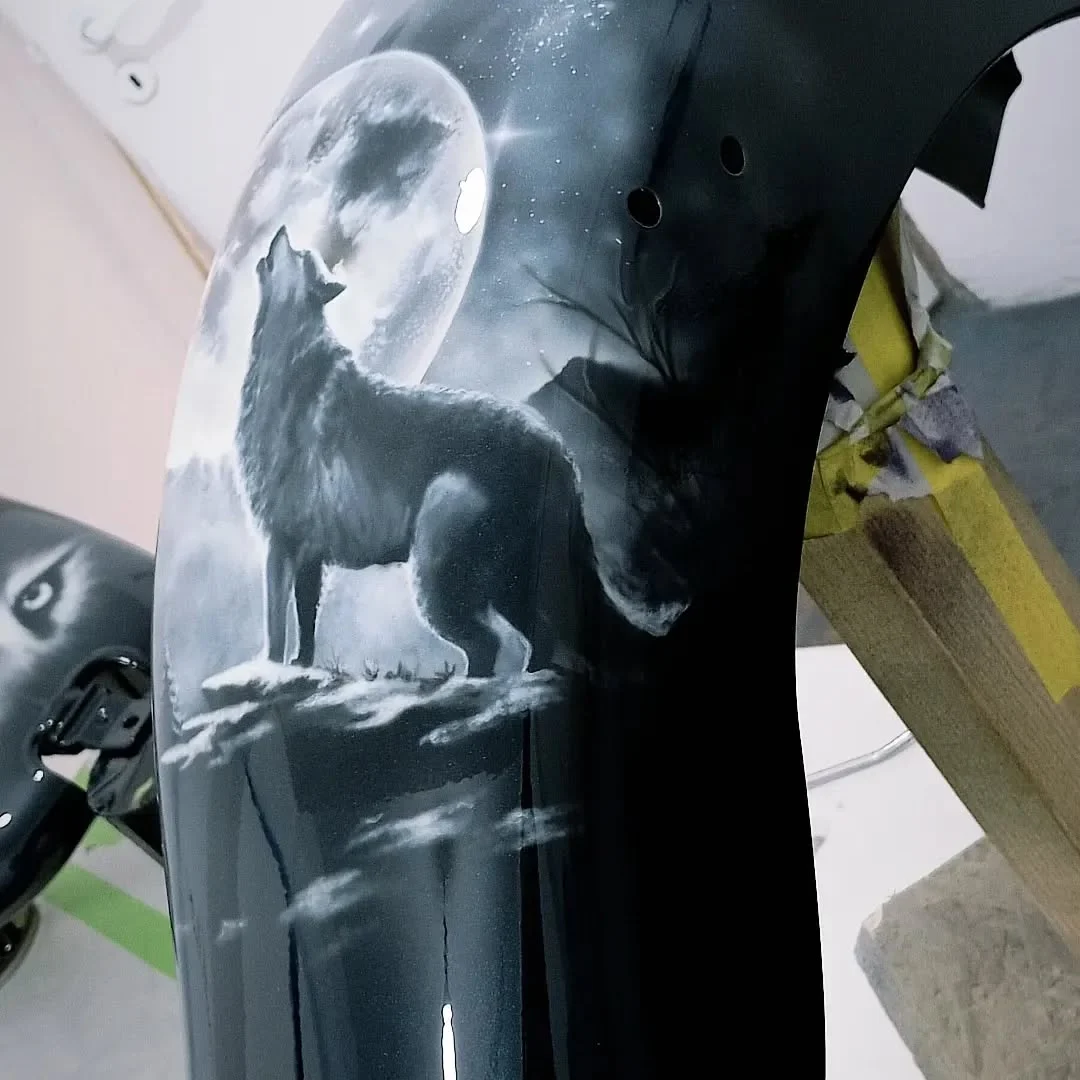
Airbrush tools allow for fine, controlled lines, soft gradients, and layered detail. Artists can create photo-realistic effects, shadows, textures, and tiny highlights — all impossible to achieve with a can.
Spray Paint:
Spray cans are great for covering large areas but lack precision. They’re best for simple shapes, graffiti-style effects, or base coats — not intricate artwork.
If you want realistic flames, fur textures, or detailed portraits — airbrush is the only way.
2. Paint Control & Technique
Airbrush:
With an airbrush, you can adjust paint flow, spray width, and even mix custom shades mid-session. It’s a tool of finesse and depth.
Spray Paint:
What comes out is what you get — no real control over spray pressure or paint thickness. Over-spraying, drips, and uneven texture are common without years of practice.
3. Time & Customization
Airbrush:
Takes more time — but delivers one-of-a-kind, commissioned artwork. Every piece is a layered process: sketch, stencil, layer, seal.
Spray Paint:
Faster for basic coverage or backgrounds, but not ideal for artistic commissions or personalization.
4. Durability & Finish
Airbrush (with proper clear coat):
When sealed with a high-quality urethane or automotive-grade clear coat, airbrush designs are UV-resistant, weatherproof, and long-lasting — perfect for helmets and bikes.
Spray Paint:
Less durable on its own. Can fade, chip, or peel without professional sealing. Spray paint isn’t designed for detailed outdoor surfaces.
5. Price & Value
Airbrush:
Costs more — because it’s labor-intensive and fully custom. But you’re paying for art, not just color.
Spray Paint:
Cheap, quick, and mass-produced. Great for background work or casual DIY projects.
Conclusion – Which One Should You Choose?
If you’re looking for personalized, detailed, artistic work — especially for motorcycles, helmets, or wearable art — airbrush wins by a mile. Spray paint may work for base layers or abstract effects, but it can’t match the depth, realism, or emotion that comes from a hand-painted airbrush design.